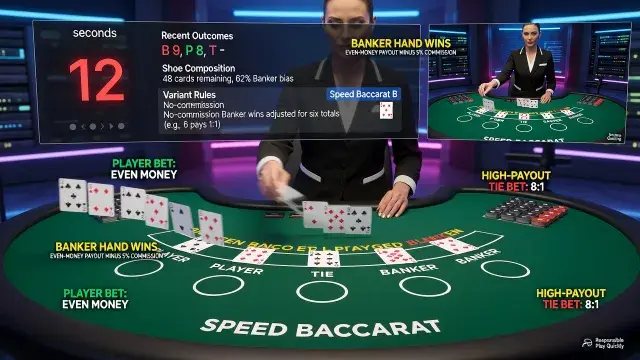

A roulette wheel spins roughly one hundred times an hour at a physical table. Online, that number can triple, and the difference matters far more than most players realize. Speed changes math, math changes bankroll survival, and bankroll survival changes whether the game feels like entertainment or an expensive lesson. The rise of immersive roulette formats - multi-camera live tables, 4K wheel close-ups, real-time statistics overlays - has turned a simple game of chance into something closer to a broadcast production, and that shift has consequences most players never think to question.
Choosing where to play this version of roulette is not the same as picking any casino site at random. The technology behind an immersive casino experience varies enormously between operators, and so does the fairness of the software running underneath the polished visuals. Some platforms genuinely invest in low-latency streaming and trained dealers; others simply slap a "premium" label on a standard live feed. Before committing real money anywhere, it's worth reading a detailed immersive roulette review to compare production quality, table limits, and payout behavior across providers rather than relying on marketing copy alone.
This piece breaks down what separates a genuinely engaging platform from one that merely looks the part, how virtual and live formats differ in practice, and which strategic habits actually hold up under the faster pace immersive tables demand.
What Makes a Roulette Site "Immersive"
The word gets used loosely, so it helps to define it precisely. An immersive casino experience is built on three technical pillars: camera work, audio design, and interface responsiveness. Strip any one of these away and the format collapses back into an ordinary live stream with extra graphics.
Multi-Angle Camera Technology
Standard live roulette uses one or two fixed cameras. Immersive tables add a dedicated wheel-tracking camera that follows the ball in near real time, often paired with slow-motion replays after each spin. This isn't decoration - it gives players visual confirmation of the result faster than the dealer's verbal call, which matters when large sums are riding on a single number.
Real-Time Statistics and Betting Overlays
Better platforms layer live data over the video feed: hot and cold numbers, hit frequency by sector, and betting heatmaps showing where other players are placing chips. This turns the game into something closer to virtual roulette gaming crossed with a live dealer, blending the transparency of a physical wheel with the analytical tools normally reserved for RNG-based titles.
Audio Cues and Dealer Interaction
Sound design is underrated. Distinct audio for ball drop, wheel deceleration, and chip placement helps players track game state without staring at the screen constantly. Interactive live roulette formats also allow text or voice-based interaction with dealers, which changes the social texture of the game entirely compared to a silent RNG table.
Virtual Roulette Gaming vs. Interactive Live Roulette
These two formats get confused constantly, and the confusion costs players money because the odds structures and pacing differ substantially.
How Virtual Roulette Actually Works
Virtual roulette runs on a random number generator with no physical wheel involved. Results are computed instantly, spins take seconds, and the house edge is fixed mathematically rather than influenced by wheel wear or dealer technique. It's faster, available 24/7, and typically supports lower minimum bets.
Why Live Dealer Tables Feel Different
A physical wheel, a human dealer, and a streamed video feed introduce natural variance in timing. Interactive live roulette preserves the tactile authenticity of a brick-and-mortar casino while adding digital conveniences - bet history, auto-play, chat features - that traditional tables never offered.
Which Format Suits Which Player
- Players who want speed and low stakes tend toward virtual roulette gaming.
- Players who value atmosphere and trust visual confirmation over trust in software prefer live formats.
- Players splitting time between both often use virtual tables to test betting patterns before committing to live-table stakes.
Core Criteria for Evaluating the Best Immersive Roulette Sites
Not every platform advertising "immersive" tables delivers the same standard. A short checklist separates serious operators from imitators.
Licensing and Independent Auditing
Legitimate platforms hold licenses from recognized gaming authorities and submit their RNG or wheel systems to independent testing labs. This information should be publicly available, usually in the site footer or a dedicated fairness page.
Streaming Quality and Uptime
Buffering during a live spin isn't a minor annoyance - it can mean missing the betting window entirely. Reliable operators invest in dedicated streaming infrastructure rather than routing video through generic content delivery networks.
Table Limits and Variety
The best immersive roulette sites offer a spread of table limits, from beginner-friendly minimums to high-stakes rooms, along with variant wheels - European, American, and multi-wheel formats - under one account.
Customer Support Responsiveness
Disputes over a missed bet or a frozen stream need fast resolution. Sites with live chat support staffed around the clock consistently outperform those relying solely on email tickets.
Building an Immersive Roulette Strategy That Actually Works
Strategy in roulette can't change the underlying house edge, but it can change how long a bankroll survives and how a player experiences variance - which matters more in immersive formats where pacing encourages faster betting.
Bankroll Management for Faster-Paced Tables
Immersive tables often move quicker than standard live games because of streamlined betting windows. Setting a strict per-session loss limit before sitting down prevents the faster rhythm from accelerating losses unnoticed.
Reading Statistics Overlays Without Overreacting
The betting heatmaps and hot-number displays common to immersive roulette strategy discussions are informational, not predictive. Past spins don't influence future ones on a fair wheel. Use the data to understand table activity, not to chase patterns.
Combining Outside and Inside Bets Strategically
A common approach pairs a larger outside bet - red/black or odd/even - with a small inside bet on a specific number or split. This balances steady, smaller wins against the occasional larger payout, keeping engagement high without exposing the full bankroll to high-variance bets alone.
Common Mistakes Players Make on Immersive Platforms
The polish of immersive tables can lull players into decisions they wouldn't make on a plain interface.
Mistaking Production Value for Better Odds
A beautifully rendered wheel with slow-motion replays has the same house edge as a bare-bones version of the same game type. Visual quality reflects production investment, not payout structure.
Ignoring Table-Specific Rules
European wheels carry a single zero; American wheels carry two, roughly doubling the house edge. Immersive tables sometimes mix formats within the same lobby, and players who don't check which wheel they've joined can unknowingly accept worse odds.
Chasing Losses at Accelerated Pace
Faster spin cycles mean faster loss accumulation if a player doesn't pace their betting deliberately. Setting a spin-count limit per session works better than a time limit, since immersive tables compress more spins into less time.
Frequently Asked Questions
Is immersive roulette rigged compared to standard live roulette?
No - licensed platforms use the same physical wheels or certified RNG systems regardless of the visual presentation layer. The camera work and statistics overlays are cosmetic and analytical additions, not alterations to the underlying game mechanics.
Do immersive tables have higher minimum bets than standard tables?
Not universally, though some premium immersive rooms do set higher minimums to reflect production costs. Many operators run parallel low-stakes and high-stakes immersive tables specifically to accommodate different bankrolls.
Can I practice immersive roulette strategy for free before betting real money?
Yes, most platforms offering virtual roulette gaming provide free-play or demo modes that replicate the interface and pacing, letting players test betting patterns without financial risk before moving to live tables.
What internet speed do I need for a smooth immersive live roulette experience?
A stable connection of at least 10 Mbps is generally sufficient for HD streaming without buffering, though 4K camera feeds on premium tables benefit from higher and more consistent bandwidth.
How do I verify a site's licensing before playing?
Check the footer of the homepage for licensing authority names and registration numbers, then cross-reference that information directly on the regulator's public database rather than trusting the casino's own claims.
Does playing on multiple immersive tables at once improve results?
It doesn't improve odds, since each table's outcomes are independent, but it does increase both potential winnings and potential losses proportionally, along with the speed at which bankroll changes occur.