
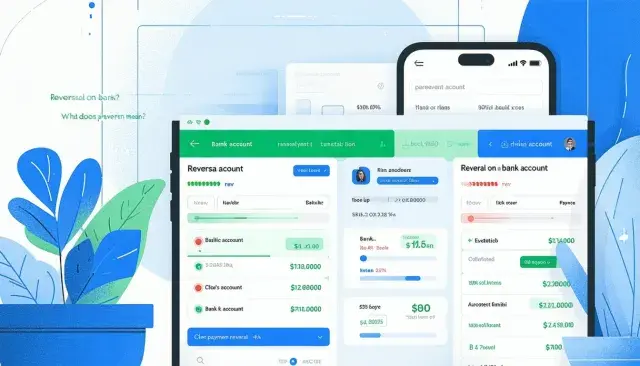

Banks process over 100 billion card transactions annually in the U.S. alone, and reversals on bank account statements disrupt roughly 1% of them, according to Federal Reserve data. These events refund money to the payer or reclaim funds from the recipient, often without prior notice. A reversal on bank account appears as a line item that adjusts balances unexpectedly, prompting questions from account holders who see their available funds shift overnight.
What does payment reversal mean in practice? It signals the banking system's built-in safeguard against errors, disputes, or fraud. Merchants initiate refunds for oversights, card issuers reverse unauthorized charges through chargebacks, and networks like Visa or Mastercard enforce timelines for these adjustments. Account holders face temporary holds or final credits, which can strain budgets if unprepared. This article breaks down the mechanics, triggers, impacts, and responses to payment reversals, equipping you to interpret statements accurately and protect your finances. Readers gain clarity on spotting legitimate reversals versus disputes, navigating bank procedures, and minimizing disruptions to cash flow.
Armed with this knowledge, you avoid common pitfalls like overdraft fees from unanticipating debits and resolve issues faster with banks. Whether managing personal checking accounts or business ledgers, understanding reversals ensures control over transaction outcomes.
Understanding Payment Reversals
Core Definition
A payment reversal cancels an approved transaction and returns funds to the original account. Banks distinguish this from refunds: reversals occur pre-settlement, while refunds post-settlement adjust merchant accounts directly. What does payment reversal mean for everyday banking? It restores the status quo when transactions fail validation.
Key Types
Chargeback reversals stem from customer disputes over goods or services. Authorization reversals void holds on pre-approvals, common in hotels or rentals. Re-presented payments retry failed debits after fixes.
- Chargebacks: Issuer-driven, up to 120 days post-transaction.
- Refunds: Merchant-initiated, faster processing.
- Voids: Immediate cancellations before capture.
Common Causes of Reversals on Bank Account
Fraud Detection
Banks flag suspicious patterns, such as unusual locations or amounts, triggering automatic reversals on bank account entries. Machine learning algorithms analyze velocity—multiple high-value transactions—to prevent losses.
Merchant-Side Errors
Double charges or incorrect amounts prompt merchants to request reversals. Failed inventory confirmations also lead to cancellations, appearing as adjustments on payer statements.
Technical or Authorization Failures
Expired cards, insufficient funds post-approval, or network glitches cause reversals. International transactions often reverse due to currency mismatches or compliance holds.
Issuer Holds
Provisional credits appear during investigations, with final reversals pending proof.
The Step-by-Step Reversal Process
Initiation Phase
Either party notifies the bank within windows: 60 days for disputes under Regulation E. Acquiring banks relay requests to issuers.
Processing and Notification
Issuers verify claims, issue provisional credits within 10 days, and notify account holders via statements or alerts. Networks mediate disputes.
Settlement and Finalization
Funds transfer back, typically 3-5 business days. Merchants absorb losses if chargebacks succeed.
Impacts on Your Bank Account
Balance Fluctuations
Reversals on bank account restore debited funds but may leave temporary negative balances if timed poorly, risking overdrafts.
Associated Fees
Some banks charge $25-35 for processing disputes, waived for fraud cases. Merchants pass costs via higher prices indirectly.
Long-Term Credit Effects
Frequent reversals signal risk, potentially lowering credit limits. Business accounts face higher scrutiny.
Handling a Reversal on Bank Account
Review Statements Promptly
Check daily balances and transaction codes like "REV" or "RVS." Match against receipts.
Contact Your Bank
Call the number on your card for details. Provide merchant info and timelines.
File Disputes if Needed
Submit evidence online or via mail within deadlines. Track case numbers.
Monitor Resolution
Expect updates in 45 days max under federal rules.
Preventing Payment Reversals
Secure Transaction Habits
Use virtual cards for one-time purchases and enable two-factor authentication.
Choose Reliable Merchants
Verify reviews and payment policies before large buys.
Regular Monitoring Tools
Set up alerts for transactions over set amounts and review apps weekly.
Fraud Protection Features
Opt into transaction controls limiting categories or geographies.
Frequently Asked Questions
How long does a reversal on bank account take?
Provisional credits arrive in 1-10 days, full resolution in 45-90 days depending on disputes. Networks settle most within 3 business days for simple cases.
Will a payment reversal affect my credit score?
Directly, no—reversals do not report to bureaus. Indirectly, repeated overdrafts from timing issues can lower scores via bank reporting.
Can I stop a reversal initiated by my bank?
Contact the bank immediately with proof of legitimacy, like receipts. Success depends on fraud rules and evidence strength.
What if the merchant disputes my chargeback?
They submit representment with evidence. Banks or networks arbitrate; you respond within 10-20 days.
Does a reversal mean the merchant loses money?
Yes, chargebacks deduct from their account plus fees. Refunds come from their balance without extra penalties.
Are reversals the same as bank errors?
No—errors are internal fixes without disputes. Reversals involve external parties like merchants or cardholders.